
by admin | Oct 6, 2026 | Digital Marketing News, Uncategorized
Personalization is moving from a “nice to have” tactic to a core part of modern digital marketing strategy. For small businesses, marketers, and website owners, this shift is not just about adding a customer’s first name to a message. It is about using visitor behavior, preferences, purchase history, location, and intent signals to deliver more relevant experiences across websites, search, email, ads, and content. Brands that make personalization useful, transparent, and timely can improve engagement while helping customers find what they need faster.
Why Personalization Is Becoming Central to Digital Marketing
Consumers now expect online experiences to feel relevant. When someone visits a website, opens a promotional message, clicks an ad, or searches for a service, they are often looking for a direct answer or a clear next step. Generic campaigns can still work, but they often create more friction because every visitor sees the same offer, message, or product recommendation regardless of their needs.
Personalization helps brands reduce that friction. A local service provider can show different calls to action based on whether a visitor is browsing pricing pages or reading beginner-friendly educational content. An online retailer can highlight categories a returning shopper has viewed before. A B2B company can adapt lead magnets based on industry, company size, or stage in the buying journey.
The biggest change for marketers is that personalization is no longer limited to large companies with complex technology stacks. Many website platforms, customer relationship management tools, ecommerce systems, advertising platforms, and email marketing services now include personalization features that smaller teams can use without building custom systems from scratch.
What Personalized Marketing Looks Like in Practice
Personalized marketing can appear in many parts of a customer journey. On a website, it may involve showing returning visitors a different homepage banner than first-time visitors. In email, it may mean sending product tips based on a customer’s previous purchase or content downloads. In paid media, it may involve creating ad groups for different audience segments rather than sending everyone to the same landing page.
For content marketing, personalization can help visitors discover the most useful article, guide, or service page based on their interests. A website owner might recommend related posts by topic, display location-specific information, or offer different resources depending on whether someone is comparing options or ready to request a quote.
The goal is not to create a complicated experience. The best personalization often feels simple. It answers the question, “What would be most helpful for this visitor right now?”
Key Data Sources Brands Can Use Responsibly
Effective personalization depends on good data, but businesses do not need to collect everything possible. In fact, collecting only the information that is useful and appropriate can make personalization easier to manage and more trustworthy.
Website Behavior
Website behavior is one of the most practical starting points. Pages viewed, time spent on certain categories, return visits, form submissions, and abandoned carts can all help marketers understand intent. For example, a visitor who reads multiple comparison pages may need proof points, reviews, or a consultation offer, while someone reading beginner guides may need education before they are ready to buy.
Customer and Subscriber Data
Customer data from purchases, email signups, inquiries, and account preferences can help businesses tailor follow-up communication. A service business might segment contacts by service interest. An ecommerce store might separate first-time buyers from repeat customers. A newsletter publisher might allow readers to choose preferred topics and then send content based on those choices.
Location and Context
Location-based personalization can be especially useful for local businesses. Showing the nearest service area, local delivery information, regional promotions, or location-specific landing pages can help visitors take action faster. Context also matters. Device type, referral source, and campaign path can influence what message should appear next.
Practical Ways Small Businesses Can Start
Small businesses do not need to personalize every channel at once. A focused approach is usually better. Start with one high-impact area, test it, and expand after learning what works.
Segment Email Lists by Interest
Email is often the easiest place to begin. Instead of sending every subscriber the same message, segment contacts based on what they signed up for, what they purchased, or which pages they visited before joining the list. A home improvement company, for example, could separate contacts interested in kitchens, bathrooms, roofing, or general maintenance. Each group receives more relevant advice and offers.
Customize Landing Pages for Campaigns
Sending all paid traffic to a general homepage can reduce relevance. Marketers can improve the experience by creating landing pages that match the ad, keyword, audience, or offer. If a campaign targets emergency services, the landing page should focus on speed, contact options, and trust signals. If a campaign targets research-stage buyers, the page may need FAQs, comparisons, and helpful resources.
Use Returning Visitor Messages
Returning visitors often need a different message than first-time visitors. A simple website prompt such as “Still comparing options?” or “Ready to schedule a consultation?” can help move people forward. Ecommerce stores can display recently viewed products, while content sites can suggest the next guide in a series.
Recommend Helpful Content
Content recommendations are useful for blogs, service websites, and online stores. Rather than relying only on chronological blog feeds, group articles by customer problem, industry, product category, or buying stage. This helps visitors find more relevant information and can improve internal linking for search visibility.
Personalization Across SEO, PPC, Web Design, and AEO
Personalization is not limited to one marketing channel. It increasingly connects search, paid campaigns, website design, and answer-focused content strategies.
SEO and Content Strategy
For SEO, personalization starts with understanding search intent. Different visitors may use similar keywords but need different types of content. Some want definitions, others want comparisons, and others want a provider nearby. Brands can respond by building content that addresses multiple intent stages and then guiding visitors to the next relevant page.
Personalized internal links, related resources, and tailored calls to action can make SEO traffic more valuable. A blog post should not be a dead end. It should help readers continue to a service page, product category, downloadable guide, or contact form when appropriate.
PPC Campaigns
Paid campaigns benefit when audience segments, ad copy, and landing pages align. A remarketing audience should not always see the same message as a cold prospect. Someone who abandoned a cart, downloaded a guide, or visited a pricing page may need a more specific next step. Better alignment can make campaigns more efficient and improve the quality of leads.
Web Design and User Experience
Personalization must be supported by good design. If the website is slow, confusing, or cluttered, personalized messages will not solve the underlying problem. Clear navigation, fast-loading pages, accessible design, and strong calls to action remain essential. Personalization should enhance the experience, not distract from it.
Answer-Focused Experiences
As users rely more on direct answers and conversational search experiences, businesses need content that is structured, clear, and helpful. Personalization can support this by guiding visitors from a quick answer to deeper resources, relevant services, or specific next steps based on the question they asked.
Common Personalization Mistakes to Avoid
One common mistake is over-personalizing too soon. If visitors feel that a brand knows too much or uses information in a surprising way, trust can decline. Personalization should feel helpful, not intrusive. Businesses should be clear about data collection practices and provide simple ways for users to manage preferences where possible.
Another mistake is using poor-quality data. Outdated customer records, messy tags, duplicate contacts, and unclear segments can lead to irrelevant messages. Before adding more tools, marketers should clean up lists, define segments, and confirm that tracking is working properly.
Brands should also avoid creating too many variations without a clear purpose. Every personalized message should support a business goal and a user need. If a variation does not help the visitor make a better decision or complete an action more easily, it may not be worth maintaining.
How to Measure Personalized Marketing Efforts
Measurement should focus on whether personalization improves the customer journey. Useful indicators include engagement with recommended content, email click activity, landing page conversions, repeat purchases, form submissions, and assisted conversions. For service businesses, lead quality is just as important as lead volume.
Testing is important. Compare personalized experiences against standard versions where possible. Review performance by audience segment rather than relying only on overall results. A message that works well for returning visitors may not work for first-time visitors, and a strong offer for one product category may not suit another.
What Marketers Should Do Next
The most practical next step is to audit the current customer journey. Look at the main paths people take from search, social, ads, email, and referral sources. Identify where visitors receive generic messages that could be made more relevant. Then choose one or two areas to improve first, such as email segmentation, campaign landing pages, or content recommendations.
Personalization is reshaping digital marketing because it helps brands communicate with more relevance at the right moment. For small businesses and website owners, the opportunity is to start simple, use data responsibly, and focus on being genuinely useful. The brands that succeed will not be the ones that personalize everything, but the ones that personalize the right moments in ways customers actually value.

by admin | Sep 22, 2026 | Digital Marketing News, Uncategorized
Personalization has moved from a “nice to have” tactic to a core digital marketing priority for brands of all sizes. Customers now expect websites, emails, ads, and product recommendations to feel relevant to their needs, timing, and interests. For small businesses, marketers, and website owners, this shift creates a major opportunity: better personalization can improve user experience, support stronger engagement, and help marketing budgets work harder.
Why Personalization Is Becoming More Important
Digital audiences are exposed to a large volume of content every day. Generic campaigns can easily get ignored, especially when competitors are offering more relevant messages. Personalization helps businesses cut through that noise by showing people content, offers, and information that match their behavior or stage in the buying journey.
This does not mean every business needs complex enterprise tools. Personalization can start with simple actions, such as segmenting an email list, recommending related products, or showing different website content to new and returning visitors. The key is to use available customer data responsibly and turn it into more useful experiences.
What Personalization Looks Like in Digital Marketing
Personalization can appear across many marketing channels. It may involve tailoring website content based on location, adjusting email messages based on past purchases, or creating ad campaigns for specific audience groups. The goal is to make marketing feel more helpful and less random.
Website Personalization
Your website is often the center of your digital presence, making it one of the best places to personalize the customer experience. For example, an ecommerce store can show related products based on browsing history. A service business can highlight location-specific pages. A blog can recommend articles based on topics a visitor has already viewed.
Small changes can make a noticeable difference. A returning visitor might see a different call to action than a first-time visitor. Someone reading a beginner-level guide could be directed to a basic checklist, while someone viewing pricing pages might be shown a consultation form or case study.
Email Marketing Personalization
Email remains one of the most accessible channels for personalization. Instead of sending the same message to everyone, businesses can segment subscribers by interest, purchase history, location, or engagement level.
Practical examples include welcome sequences for new subscribers, re-engagement emails for inactive contacts, product care tips after a purchase, or reminders based on abandoned carts. Even simple personalization, such as referencing a customer’s previous interest category, can make emails feel more relevant.
Paid Advertising Personalization
Paid campaigns can also benefit from more targeted messaging. Rather than relying on one broad ad, marketers can create separate campaigns for different audience segments. A local business might run different ads for new customers, repeat customers, and people who recently visited a key page on the website.
Landing pages should match the promise of the ad. If an ad promotes a specific service, the landing page should focus on that service, not send users to a general homepage. This improves the user experience and helps visitors find what they expected.
Content Personalization
Content marketing becomes more effective when it reflects the needs of different audience groups. A software company, for example, may have content for beginners, advanced users, business owners, and technical teams. A local retailer may create guides for seasonal shoppers, loyal customers, and first-time buyers.
Personalized content does not always require dynamic website features. It can be as simple as building clear content pathways. Use internal links, topic clusters, and calls to action that guide readers to the next most useful resource.
How Small Businesses Can Start With Personalization
Many small businesses avoid personalization because they assume it requires expensive systems or large teams. In reality, the best starting point is often a better understanding of your audience and a more organized approach to customer data.
1. Define Your Key Audience Segments
Start by grouping your customers into simple segments. These could be based on service interest, product category, location, budget, business size, or stage in the buying process. Avoid creating too many segments at first. Three to five useful groups are often enough to begin improving your marketing.
For example, a web design agency might segment prospects into startups, ecommerce businesses, and professional service firms. Each group likely has different concerns, timelines, and decision factors. Messaging should reflect those differences.
2. Review the Data You Already Have
You may already have valuable information in your website analytics, email platform, customer relationship management system, booking software, or ecommerce platform. Look for patterns in popular pages, repeat purchases, abandoned forms, email clicks, and common customer questions.
This data can help you identify what people care about most. If visitors often read comparison pages, they may need more decision-stage content. If customers frequently buy certain products together, you can create helpful recommendations or bundles.
3. Personalize One Channel First
Trying to personalize every channel at once can become overwhelming. Choose one area where the impact is likely to be clear. For many businesses, email is the easiest place to start because segmentation tools are widely available and campaigns can be tested quickly.
Another strong starting point is your website’s calls to action. Review your most important pages and ask whether the next step is clear and relevant. A blog post for beginners should not always have the same call to action as a pricing page or a product comparison page.
4. Create Messages for Each Stage of the Journey
Personalization works best when it considers where someone is in the customer journey. A first-time visitor may need education and trust-building. A returning visitor may need product details, testimonials, or answers to objections. A past customer may need support, reorder reminders, or loyalty-focused content.
Map your content and campaigns to basic stages: awareness, consideration, decision, and retention. This helps ensure people receive information that matches their current needs rather than being pushed too quickly toward a sale.
Personalization and Privacy Must Work Together
As personalization becomes more common, customer trust becomes even more important. Businesses should be clear about how they collect and use data. Avoid tactics that feel intrusive or surprising. People are more likely to respond positively when personalization feels useful rather than invasive.
Good practices include using clear opt-in forms, keeping preferences easy to update, and avoiding unnecessary data collection. If you ask for information, make sure it has a clear purpose. A better experience should be the result, not just more aggressive marketing.
Common Personalization Mistakes to Avoid
One common mistake is personalizing too early without enough useful data. If a business makes assumptions based on limited behavior, the experience can feel inaccurate. Start with broad, reliable signals before building more advanced campaigns.
Another mistake is focusing only on sales messages. Personalization should also improve education, support, and navigation. A helpful guide, relevant FAQ, or timely reminder can be just as valuable as a promotional offer.
Businesses should also avoid creating disconnected experiences. If an ad, email, and landing page all say different things, users may lose confidence. Consistency matters. Each step should feel like part of the same journey.
How to Measure Personalization Efforts
To understand whether personalization is working, define success before launching changes. Useful indicators may include email engagement, form submissions, repeat purchases, time on page, return visits, or conversion rates. Choose metrics that match the goal of each campaign.
Testing is also important. Compare different messages, calls to action, landing pages, or audience segments. Keep tests focused so you can clearly understand what changed. Personalization improves over time when teams review results and adjust based on real customer behavior.
The Future of Brand Personalization
Personalization is likely to become a standard expectation across digital marketing. Brands that provide relevant, easy, and respectful experiences will be better positioned to earn attention and loyalty. For small businesses, this is not about using every new tool available. It is about making marketing more useful to the people you want to reach.
The most practical approach is to start small, focus on customer needs, and improve one experience at a time. Segment your audience, align content with intent, and make sure each interaction helps visitors take the next step. When personalization is done well, it benefits both the business and the customer.
by admin | Sep 15, 2026 | Digital Marketing News, Uncategorized
Digital marketing is entering a new phase where customers discover products through search results, social feeds, short-form video, creator content, marketplaces, and answer-style platforms before they ever visit a brand’s website. For small businesses and marketers, this means the customer journey is less linear than it used to be. A potential buyer may see a product in a social post, compare options through search, read reviews, watch a demonstration, and complete a purchase without following the traditional path from ad to landing page to checkout.
Search Is Becoming More Conversational and Decision-Focused
Search marketing is no longer only about ranking for a list of keywords. People are asking more detailed questions, comparing products directly, and expecting quick, useful answers. This shift affects how brands create content, structure websites, and measure visibility.
For example, a customer may not search simply for “running shoes.” They may search for “best running shoes for beginners on pavement” or “comfortable trainers for long walks and gym use.” These searches show stronger intent and require content that answers a specific need clearly.
What This Means for Website Content
Businesses should review their content and ask whether each page solves a real customer problem. Product pages, category pages, blog posts, FAQs, and buying guides should be written in a way that helps people make decisions. Thin pages with vague descriptions are less useful in a search environment that rewards clarity and expertise.
Practical content updates can include clearer product comparisons, concise FAQs, how-to sections, care instructions, delivery information, sizing guidance, and customer-focused explanations. The goal is to make each page helpful enough that a visitor can move closer to purchase without needing to leave for basic information.
Why Answer Engine Optimization Matters
Answer Engine Optimization focuses on making content easy for search systems and answer platforms to understand and present. This does not replace traditional SEO, but it adds another layer. Brands need to organize information clearly, use descriptive headings, answer common questions directly, and support claims with useful context.
Small businesses can start by identifying the top questions customers ask before buying. These may come from sales calls, live chat, reviews, customer service emails, or social comments. Each question can become part of a product page, FAQ section, or blog article. Clear answers can help improve visibility while also reducing friction for potential buyers.
Social Commerce Is Turning Discovery Into Checkout
Social platforms are no longer just places for brand awareness. They are becoming product discovery and shopping environments. Customers can find products through short videos, livestreams, creator recommendations, comments, and shoppable posts. For many brands, social content now plays a direct role in sales, not just engagement.
This is especially important for small businesses because social commerce can shorten the path between interest and action. A useful product demonstration, customer review, or behind-the-scenes post can create immediate demand when paired with a clear route to purchase.
Make Social Content Useful, Not Just Promotional
Brands often make the mistake of treating every social post like an advert. In social commerce, useful content usually performs better than content that only says “buy now.” Customers want to see how a product works, who it is for, what problem it solves, and why it is different from alternatives.
Practical social content ideas include product demonstrations, before-and-after examples, styling ideas, tutorials, customer questions, founder explanations, packaging videos, and comparisons between product options. The strongest posts often answer the same questions a customer would ask in-store.
Reduce Friction Between Interest and Purchase
If someone discovers a product on social media, the next step should be obvious. Businesses should check that product tags, profile links, landing pages, and checkout paths are working properly. A customer who clicks from a social post should not have to search the website to find the exact product they just saw.
Landing pages should match the social content that brought the visitor there. If a video promotes a specific bundle, collection, service, or seasonal offer, the linked page should reflect that. Consistency between content and destination helps keep customers focused and reduces drop-off.
SEO, PPC, and Social Need to Work Together
Search, paid media, and social commerce are often managed separately, but customers do not experience them separately. A buyer may see a paid social post, search the brand name, click an organic result, read reviews, then return through a remarketing ad. If teams and channels are disconnected, the message can become inconsistent.
Marketers should align campaigns around customer intent. SEO can capture people researching solutions. PPC can support high-intent searches and retarget interested visitors. Social commerce can create demand and demonstrate products in context. When these channels share messaging, creative themes, and product priorities, the overall strategy becomes stronger.
Use Search Data to Guide Social Content
Search queries reveal what customers care about. If people frequently search for product comparisons, sizing questions, durability information, or “best for” use cases, those topics can become social content. A short video answering a common search question can support both awareness and conversion.
This approach also helps small businesses create content more efficiently. Instead of guessing what to post, they can use search data, website analytics, customer questions, and sales feedback to build a practical content calendar.
Use Social Feedback to Improve Website Pages
Social comments can reveal objections and buying concerns that may not appear in keyword tools. If people repeatedly ask about materials, delivery, setup, compatibility, or results, that information should be added to relevant website pages.
This creates a useful feedback loop. Social content highlights what customers want to know, while website updates make it easier for future visitors to find answers. Over time, this can improve the quality of both organic traffic and paid campaign performance.
Trust Signals Are More Important Than Ever
As discovery becomes more fragmented, trust plays a bigger role in whether customers choose one brand over another. People may encounter a business for the first time through a short video, a search result, or a creator recommendation. They will often look for proof before buying.
Brands should make trust signals easy to find. These can include customer reviews, clear return information, contact details, product specifications, real photos, service explanations, and transparent delivery details. For service businesses, case studies, testimonials, process pages, and team information can help reduce uncertainty.
Keep Brand Information Consistent
Inconsistent details can damage confidence. Business names, opening hours, product availability, pricing information, service areas, and contact details should be consistent across the website, search profiles, social platforms, and marketplace listings.
Small businesses should schedule regular checks of their key digital profiles. Even small errors can frustrate customers, especially when they are ready to buy or make an enquiry.
Web Design Must Support Faster Decisions
Website design now needs to do more than look professional. It must help visitors make quick, informed decisions. If customers arrive from search or social commerce, they may already have a specific product, question, or comparison in mind.
Pages should load smoothly, work well on mobile devices, and present important information near the top. Product images, descriptions, reviews, delivery details, and calls to action should be easy to find. For service businesses, enquiry forms, phone numbers, booking links, and service details should be clear and accessible.
Design for Mobile-First Buying Behaviour
Many social commerce journeys happen on mobile devices. If a visitor clicks from a social post and lands on a slow or confusing page, the sale may be lost. Mobile product pages should be simple, readable, and easy to navigate.
Businesses should test their own buying journey from a phone. Start from a social post, click through to the website, view the product or service page, and complete the main action. Any confusing step should be fixed.
How Small Businesses Can Adapt Now
Brands do not need to rebuild their entire marketing strategy overnight. The best approach is to improve the connection between discovery, information, and purchase. Start with the products or services that matter most to the business, then build better content and clearer journeys around them.
First, audit search visibility for important customer questions. Make sure website pages answer those questions clearly. Second, review social content and identify whether it demonstrates products or services in a way that helps people decide. Third, check that social links, product tags, landing pages, and checkout paths are simple and accurate.
Fourth, align SEO, PPC, and social messaging. If a paid campaign promotes a key benefit, that same benefit should appear on the landing page and in supporting organic content. Finally, measure more than last-click sales. Look at assisted conversions, engagement, branded searches, enquiries, and repeat visits to understand how different channels contribute to the customer journey.
The Brands That Win Will Be Easier to Discover and Easier to Trust
Digital marketing is becoming more connected, more visual, and more focused on immediate usefulness. Search helps customers ask better questions, while social commerce helps them discover products in everyday content. The opportunity for small businesses is to meet customers with helpful answers, practical demonstrations, and a smooth route to purchase.
Brands that invest in clear content, trustworthy information, mobile-friendly design, and joined-up marketing channels will be better placed to compete. The core principle is simple: make it easy for customers to find you, understand you, trust you, and buy from you.
by admin | Sep 8, 2026 | Digital Marketing News, Uncategorized
Personalization has moved from a “nice to have” marketing tactic to a core part of how brands attract, convert, and retain customers. For small businesses, marketers, and website owners, the opportunity is clear: people expect relevant experiences, timely messages, and content that reflects their needs. The challenge is doing this in a way that feels helpful rather than intrusive.
Today’s personalization tools can help businesses tailor website content, email campaigns, product recommendations, ads, and customer journeys based on real behavior and preferences. When used well, personalization can make marketing more efficient, improve the customer experience, and help brands stand out in crowded digital spaces.
Why Personalization Matters More Than Ever
Digital audiences are exposed to a constant stream of content, offers, and brand messages. Generic marketing is easier to ignore because it often fails to connect with what someone actually wants at that moment. Personalization helps businesses reduce friction by showing the right message to the right person at the right stage of their journey.
For example, a first-time website visitor may need educational content, while a returning visitor may be ready to compare services or request a quote. A customer who recently purchased may benefit from onboarding tips, while an inactive subscriber may need a reminder of what makes your brand useful.
This shift is not just about using someone’s first name in an email. Modern personalization is about understanding intent, context, and behavior, then using that information to create more relevant experiences across multiple channels.
How Brands Are Using Personalization in Digital Marketing
Website Content That Adapts to Visitor Intent
Your website is often the first place where personalization can make a noticeable difference. Businesses can tailor calls to action, featured content, product categories, or service pages based on how visitors arrive, what they view, or whether they are new or returning users.
For a local service business, this might mean showing location-specific information to visitors from nearby areas. For an ecommerce store, it could mean highlighting related products based on browsing history. For a B2B company, it may involve guiding visitors toward case studies, demos, or educational resources depending on the pages they have already viewed.
The goal is not to overwhelm users with constant changes. The goal is to reduce unnecessary steps and make the next action feel obvious and useful.
Email Campaigns Based on Behavior
Email remains one of the most practical channels for personalized marketing. Instead of sending every subscriber the same message, businesses can segment audiences based on interest, purchase history, engagement, or lifecycle stage.
A new subscriber might receive a welcome sequence introducing your brand and best resources. A customer who purchased a product could receive care instructions, usage tips, or complementary recommendations. A lead who downloaded a guide may receive follow-up content related to that topic.
For small businesses, this does not need to be complicated. Even simple segmentation can improve relevance. Start by separating new leads, active customers, past customers, and inactive subscribers. From there, create messages that match each group’s needs.
Smarter Product and Service Recommendations
Personalized recommendations are especially valuable for ecommerce brands, subscription businesses, content sites, and service providers with multiple offerings. When recommendations are based on customer behavior, they can feel like helpful guidance rather than a sales push.
An online retailer may recommend products that pair well with a recent purchase. A web design agency may suggest maintenance services to clients who recently launched a new site. A software company may recommend training resources based on features a customer has explored.
The key is relevance. Recommendations should solve a real problem, answer a likely question, or support the customer’s next step.
Building a Practical Personalization Strategy
Start With Clear Business Goals
Before adding personalization to your marketing, define what you want to improve. Common goals include increasing email engagement, improving website conversions, reducing cart abandonment, generating higher-quality leads, or improving customer retention.
Clear goals help you avoid adding personalization for its own sake. Every personalized experience should support a measurable business outcome or improve the user experience in a meaningful way.
Map the Customer Journey
Personalization works best when it reflects where people are in the buying process. Take time to map the common stages your customers move through, from awareness to consideration, conversion, onboarding, and repeat engagement.
For each stage, ask what the customer needs. Are they looking for information, reassurance, pricing details, comparisons, proof, support, or next steps? This helps you create content and messaging that feels timely and relevant.
A visitor reading a beginner’s guide may not be ready for a sales call. Someone viewing a pricing page for the third time may need a stronger call to action, a comparison chart, or answers to common objections.
Use First-Party Data Responsibly
First-party data is information your business collects directly through website activity, email engagement, forms, purchases, customer accounts, surveys, and support interactions. This type of data is valuable because it comes from your own audience and reflects real interactions with your brand.
However, responsible use matters. Be transparent about what you collect, give people control over their preferences, and avoid using personal details in ways that feel uncomfortable. Good personalization should feel helpful, not invasive.
Small businesses should focus on data that directly improves the customer experience. You do not need to track everything. Start with useful signals such as pages visited, products viewed, content downloaded, previous purchases, email preferences, and service interests.
Personalization Across Key Marketing Channels
Search and Content Marketing
Personalization can support search and content strategies by helping brands create content for specific audience segments. Instead of writing broad articles for everyone, businesses can develop resources for different customer types, industries, locations, or pain points.
For example, a digital marketing agency might create separate content for local retailers, professional service firms, and ecommerce brands. Each audience may care about different challenges, such as foot traffic, lead generation, or product visibility.
This approach can improve content usefulness while supporting long-tail search visibility. It also gives sales and email teams better resources to share with leads and customers.
Paid Advertising
Personalized ad strategies can help businesses align messaging with audience intent. Remarketing campaigns, audience segmentation, and tailored landing pages allow advertisers to show more relevant offers based on previous interactions.
A visitor who read a comparison guide may respond better to a demo or consultation offer. Someone who abandoned a cart may need a reminder, product benefit, or shipping information. A past customer may be more interested in new arrivals, upgrades, or loyalty-focused messaging.
To keep campaigns effective, make sure the ad, landing page, and follow-up experience are consistent. A personalized ad should not send users to a generic page that ignores the promise of the message.
Customer Retention and Loyalty
Personalization is not only for acquiring new customers. It can be even more valuable after the first sale. Customer retention campaigns can include tailored education, renewal reminders, service recommendations, exclusive content, or personalized support resources.
For service-based businesses, this may mean checking in with clients at important milestones. For ecommerce brands, it may involve replenishment reminders, care tips, or product suggestions. For membership businesses, it may include content based on usage patterns or stated interests.
Retention-focused personalization helps customers get more value from what they already purchased, which can strengthen trust over time.
Common Personalization Mistakes to Avoid
Over-Personalizing the Experience
Too much personalization can feel distracting or uncomfortable. If every page, message, or offer changes constantly, users may lose trust or feel like they are being watched. Keep personalization subtle, useful, and easy to understand.
Focus on improving the journey rather than showing off technology. A helpful product recommendation or relevant email is more effective than a complicated experience that confuses the customer.
Using Poor or Outdated Data
Personalization is only as useful as the data behind it. If your customer records are outdated, incomplete, or inaccurate, your messaging may miss the mark. For example, sending beginner content to a long-time customer can make your brand appear disconnected.
Review your audience segments regularly. Clean up old lists, update customer preferences, and give subscribers ways to tell you what they want to receive.
Ignoring the Human Element
Personalization should support better communication, not replace thoughtful marketing. Brands still need strong messaging, clear positioning, helpful content, and genuine customer understanding.
The most effective strategies combine data with empathy. Look at what customers do, but also consider why they do it. Customer interviews, reviews, support questions, and sales conversations can reveal insights that behavior data alone may not explain.
How Small Businesses Can Get Started
Small businesses do not need an advanced setup to begin personalizing their marketing. Start with one channel and one goal. For example, you might personalize your email welcome sequence for different lead sources, create landing pages for different customer segments, or add related content suggestions to key blog posts.
Next, measure performance and look for practical improvements. Are more visitors clicking your calls to action? Are email subscribers engaging with segmented campaigns? Are customers responding to follow-up recommendations?
Once you find what works, expand gradually. Personalization is most effective when it is built step by step, tested carefully, and aligned with real customer needs.
The Future of Personalized Digital Marketing
Personalization is reshaping digital marketing because customers increasingly expect brands to understand their needs and respect their time. Businesses that deliver relevant, helpful experiences can create stronger relationships and more efficient campaigns.
For marketers and website owners, the best approach is to stay practical. Use the data you already have, focus on meaningful customer moments, and avoid tactics that feel intrusive. When personalization is done well, it makes marketing feel less like interruption and more like useful guidance.
Brands that embrace this mindset will be better positioned to create digital experiences that are timely, trustworthy, and valuable across the entire customer journey.

by admin | Sep 7, 2026 | Digital Marketing News, Uncategorized
First-party data is becoming one of the most valuable assets in digital marketing. As browsers, platforms, and consumers move away from broad third-party tracking, businesses need more reliable ways to understand their audiences, personalize campaigns, and measure performance. For small businesses, marketers, and website owners, this shift is not just a technical change. It is a strategic opportunity to build stronger customer relationships, improve campaign efficiency, and reduce dependence on outside platforms.
What First-Party Data Means for Digital Marketing
First-party data is information your business collects directly from people who interact with your brand. This can include website behavior, email sign-ups, purchase history, customer feedback, form submissions, account preferences, event registrations, and interactions with your customer support team.
Unlike third-party data, which is collected and shared by outside companies, first-party data comes from your own audience. That makes it more relevant, more accurate, and more useful for building marketing campaigns that reflect real customer intent.
For example, a local service business may learn which pages visitors read before submitting a quote request. An ecommerce store may understand which products customers buy together. A B2B company may see which lead magnets attract the most qualified prospects. These insights help businesses move from generic marketing to more focused, customer-led strategy.
Why First-Party Data Is Becoming More Important
Digital marketing has long relied on third-party cookies, platform targeting, and external audience data. However, that approach is becoming less dependable. Consumers are more aware of how their information is used, browsers are limiting tracking options, and advertising platforms are changing how data can be collected and measured.
This does not mean digital marketing is becoming less effective. It means businesses need to rely more on data they collect transparently and directly. First-party data gives marketers a more stable foundation because it is built from actual interactions with their own customers and prospects.
For small businesses, this is especially important. Many smaller brands do not have the budget to waste on broad campaigns that reach the wrong people. By using first-party data well, they can make smarter decisions about content, advertising, email marketing, website improvements, and customer retention.
How First-Party Data Changes Marketing Strategy
It Shifts the Focus From Reach to Relationships
Traditional digital marketing often prioritized reaching as many people as possible. First-party data encourages a different mindset: understand the people already engaging with your business and serve them better.
This changes how campaigns are planned. Instead of only asking, “How can we get more traffic?” marketers also ask, “What do returning visitors need?” “Which customers are most likely to buy again?” and “What content helps prospects take the next step?”
For website owners, this means paying closer attention to user journeys. A visitor who reads three comparison pages may need different messaging than someone landing on a basic service page for the first time. A subscriber who opens every newsletter may be ready for a stronger offer than someone who has not engaged recently.
It Improves Personalization Without Guesswork
Personalization works best when it is based on meaningful behavior, not assumptions. First-party data helps businesses tailor messages, offers, and website experiences based on what people actually do.
An online retailer can send product recommendations based on past purchases. A consultant can segment email subscribers by the topics they downloaded. A fitness studio can promote beginner classes to new leads and advanced programs to returning customers.
The goal is not to make marketing feel intrusive. The goal is to make it more relevant. When customers receive information that matches their needs, they are more likely to engage. Good personalization should feel helpful, timely, and easy to understand.
It Makes Email and Customer Databases More Valuable
Email marketing is becoming more important as businesses look for channels they can manage directly. A strong email list, customer relationship management system, or subscriber database gives a business a direct line to its audience.
However, collecting email addresses is only the first step. The real value comes from organizing and using that data properly. Businesses should understand where subscribers came from, what they are interested in, how often they engage, and what actions they take after receiving messages.
For example, a website owner might separate subscribers who joined through a discount offer from those who signed up for educational content. Those groups may need different follow-up campaigns. One may respond well to promotions, while the other may need trust-building content before becoming a customer.
Practical Ways to Collect First-Party Data
Use Website Forms Strategically
Forms are one of the simplest ways to collect first-party data. Contact forms, quote requests, newsletter sign-ups, surveys, booking forms, and gated resources can all provide useful insight.
The key is to ask for information that has a clear purpose. A long form can reduce submissions if it feels unnecessary. A short form can increase conversions but may not give your sales or marketing team enough context. Businesses should balance convenience with usefulness.
For many small businesses, starting with a name, email address, reason for inquiry, and one qualifying question is enough. Over time, additional information can be collected through follow-up emails, customer conversations, or account preferences.
Track Meaningful Website Behavior
Website analytics can reveal what visitors care about before they ever contact your business. Important signals include which pages attract qualified visitors, which content leads to conversions, where users drop off, and which calls to action generate engagement.
Rather than focusing only on total traffic, marketers should look at behavior that connects to business goals. A blog post with modest traffic may be highly valuable if it consistently leads to consultation requests. A high-traffic page may need improvement if visitors leave without taking action.
Small businesses should review website behavior regularly and use those insights to update page copy, improve navigation, add clearer calls to action, and create content that answers common customer questions.
Encourage Account Creation and Preferences
For businesses with ecommerce stores, membership sites, booking systems, or customer portals, account-based data can be especially useful. Customers may share preferences, order history, saved services, favorite products, or communication choices.
This information can improve both marketing and customer experience. For example, a customer who regularly books the same service may appreciate reminders. A shopper who buys a specific product category may be interested in related items. A member who has not logged in recently may need a re-engagement message.
Businesses should make account features genuinely useful. If customers see a benefit, they are more likely to share preferences and keep their information updated.
Using First-Party Data Across Marketing Channels
Search Engine Optimization
First-party data can improve SEO by showing what your audience actually wants to know. Search query reports, internal site search data, form questions, support tickets, and sales conversations can all inspire useful content.
If customers repeatedly ask the same questions before buying, those questions can become blog posts, FAQ sections, service page updates, or comparison guides. This helps attract visitors who are already looking for answers and improves the usefulness of your website.
Paid Advertising
First-party data can make paid campaigns more focused. Businesses can use customer lists, conversion data, and website engagement signals to refine targeting, exclude existing customers from certain campaigns, or create messaging for different stages of the buying journey.
For example, a campaign for new prospects may focus on education, while a campaign for past customers may highlight repeat services or complementary products. This helps reduce wasted spend and makes ad messaging more relevant.
Email Marketing
Email is one of the most practical channels for applying first-party data. Segmentation can be based on interests, purchase behavior, location, engagement level, or lead source.
A simple segmented approach often works better than sending every subscriber the same message. New subscribers may need a welcome series. Active customers may need helpful tips or related offers. Inactive subscribers may need a reason to re-engage or update their preferences.
Website Experience
First-party data can also guide website improvements. If analytics show that users frequently visit pricing, testimonials, or comparison pages before converting, those elements may deserve more visibility. If visitors abandon a form, it may need to be shorter or clearer.
Website owners should use data to remove friction. Clearer navigation, stronger calls to action, more relevant landing pages, and better mobile experiences can all improve results without requiring a larger marketing budget.
Building Trust While Collecting Data
First-party data works best when customers understand what they are sharing and why. Businesses should be clear about how information is collected and used. Forms should explain the value of signing up, and communication preferences should be easy to manage.
Trust is a competitive advantage. People are more likely to engage with brands that respect their time, protect their information, and send relevant messages. Over-collecting data or sending too many promotional emails can damage that trust.
A practical approach is to collect only what you need, keep it organized, and use it to improve the customer experience. Every data point should have a purpose, whether it helps personalize communication, improve service, or measure marketing performance.
How Small Businesses Can Get Started
Businesses do not need a complex system to begin using first-party data. Start by identifying the most important customer actions on your website, such as calls, form submissions, purchases, bookings, downloads, or email sign-ups.
Next, make sure those actions are being tracked accurately. Review your forms, analytics setup, email platform, and customer database. Look for gaps, duplicate records, or information that is being collected but never used.
Then, create a few simple audience segments. These might include new leads, past customers, high-intent website visitors, newsletter subscribers, or customers interested in a specific service. Build campaigns around those segments instead of sending the same message to everyone.
Finally, review performance regularly. First-party data becomes more valuable over time when it is used to test, learn, and improve. Even small adjustments to landing pages, email sequences, or ad messaging can lead to better outcomes.
The Future of Digital Marketing Is More Direct
First-party data is reshaping digital marketing by putting the customer relationship back at the center of strategy. Instead of relying heavily on outside tracking and broad audience assumptions, businesses can use their own data to understand real behavior, improve relevance, and build long-term loyalty.
For small businesses and website owners, the most important step is to start collecting and using data with intention. Clear forms, useful content, organized customer records, and thoughtful email campaigns can create a strong foundation. As digital marketing continues to evolve, the businesses that know their audiences best will be better positioned to adapt, compete, and grow.
by admin | Sep 1, 2026 | Digital Marketing News, Uncategorized
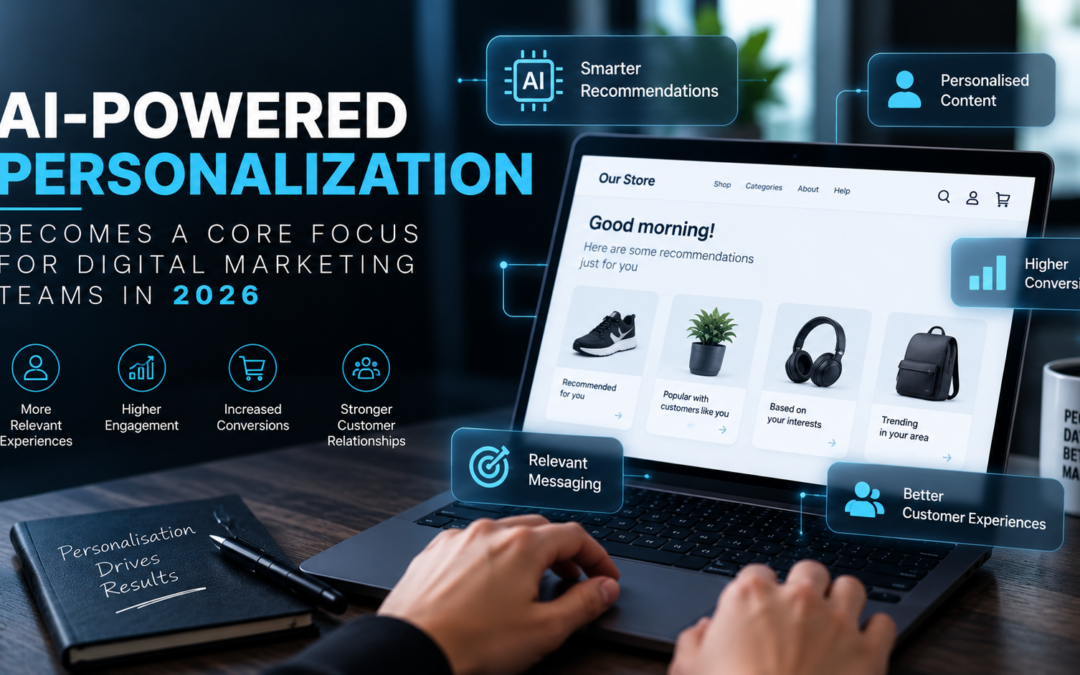
Personalization is becoming a central priority for digital marketing teams as customers expect more relevant experiences across websites, email, search, social media, and ecommerce journeys. For small businesses and website owners, this shift is not just about using advanced tools; it is about understanding visitors, responding to their needs, and removing friction from the path to enquiry, booking, or purchase.
Why Personalization Is Moving to the Center of Digital Marketing
Digital marketing has become more competitive across nearly every channel. Customers are comparing options quickly, moving between devices, and expecting brands to understand their intent. A generic message that treats every visitor the same is less likely to stand out, especially when competitors are tailoring content, offers, and recommendations based on user behavior.
Personalization helps businesses make marketing feel more useful. Instead of showing the same homepage banner, email promotion, or product recommendation to everyone, marketers can adapt messaging based on location, past engagement, purchase history, referral source, search intent, or stage in the customer journey.
For small businesses, personalization does not need to be complicated. Even simple improvements, such as sending different email follow-ups to new leads and existing customers, can make campaigns more relevant. The key is to focus on helpful experiences rather than overly intrusive targeting.
What Personalized Marketing Looks Like in Practice
Personalization can appear in many parts of a digital marketing strategy. It may involve changing website content for returning visitors, segmenting email lists, recommending related products, or adjusting landing page copy based on the campaign that brought someone to the site.
Website Content That Matches Visitor Intent
A website can be more effective when it reflects why a visitor arrived. Someone coming from a local search may need directions, opening hours, service areas, and trust signals. A visitor arriving from a comparison article may need proof, case studies, testimonials, and a clear explanation of what makes the business different.
Website owners can start by reviewing their highest-traffic pages and asking whether each page answers the most likely visitor questions. If a service page is attracting first-time visitors, it may need more educational content. If a product page attracts returning visitors, it may need clearer pricing information, delivery details, or stronger calls to action.
Email Segmentation and Follow-Up
Email remains one of the most practical areas for personalization. Instead of sending every subscriber the same message, businesses can segment lists by interest, customer type, purchase behavior, or enquiry history.
For example, a local service provider might send different content to homeowners, landlords, and commercial clients. An online store might separate first-time buyers from repeat customers. A consultant might send educational content to new leads and more detailed service information to prospects who have already booked a call.
The goal is to make each email feel timely and useful. Better segmentation can also reduce unsubscribes because subscribers are less likely to receive irrelevant messages.
Product and Service Recommendations
Recommendations are another practical use of personalization. Ecommerce stores can suggest related products, complementary items, or replenishment reminders. Service businesses can recommend relevant guides, consultations, or add-on services based on what a visitor has already viewed.
These recommendations should be genuinely helpful. If someone reads a blog post about preparing a garden for winter, a landscaping company might recommend a seasonal maintenance service or a downloadable checklist. If a visitor browses a specific software feature, a technology provider might highlight a relevant demo or comparison page.
How Small Businesses Can Prepare Their Data
Effective personalization depends on clean, useful, and responsibly collected data. Many businesses already have valuable information available through website analytics, customer relationship management systems, email platforms, booking tools, ecommerce platforms, and customer support records.
Start With First-Party Data
First-party data is information collected directly from customers and website visitors through your own channels. This may include newsletter sign-ups, purchase history, enquiry forms, account preferences, and on-site behavior.
Small businesses should prioritize first-party data because it is more relevant to their audience and less dependent on external platforms. It also encourages better customer relationships, as users are sharing information directly with the business.
Keep Data Organized
Personalization becomes difficult when customer information is scattered across different tools. A business may have email data in one platform, sales notes in another, and website analytics somewhere else. This can lead to inconsistent messaging and missed opportunities.
Even a basic customer database can help. Businesses should aim to keep records updated, remove duplicate contacts, tag customers by interest or service type, and document where leads came from. The cleaner the data, the easier it becomes to create useful audience segments.
Ask for Preferences Clearly
One of the simplest ways to personalize marketing is to ask customers what they want. Preference centers, sign-up forms, and onboarding questionnaires can help businesses understand which topics, services, or products matter most to each person.
For example, a fitness studio could ask subscribers whether they are interested in group classes, personal training, nutrition advice, or beginner programs. A web design agency could ask leads whether they need a new website, redesign, maintenance, or search visibility support.
Balancing Personalization With Privacy
Personalization should build trust, not create discomfort. Customers are more likely to respond positively when they understand why they are seeing certain content and when the experience feels helpful rather than invasive.
Businesses should be transparent about data collection, use clear consent options where required, and avoid collecting information they do not need. Privacy policies should be easy to find and written in plain language. Forms should only ask for details that are genuinely useful for the customer journey.
Marketers should also avoid overly specific messaging that makes users feel watched. For example, reminding a customer about a product category they viewed may be helpful, while referencing every action they took on the website may feel excessive. The best personalization often feels natural and supportive.
Personalization Across Key Marketing Channels
Search and Content Marketing
Personalization can improve content strategy by helping marketers create resources for different audience segments. A business may need separate content for beginners, advanced buyers, local customers, industry professionals, or returning customers.
Website owners can review search queries, internal site searches, sales questions, and customer support requests to identify content gaps. Blog posts, FAQs, comparison pages, and buying guides can then be developed around real customer needs.
Paid Advertising
In paid campaigns, personalization often starts with matching ads and landing pages to audience intent. A campaign targeting emergency service enquiries should lead to a fast, direct landing page with phone contact options. A campaign targeting early-stage research should lead to educational content and softer conversion options, such as a guide download or consultation request.
Small businesses should avoid sending all paid traffic to the homepage. More specific landing pages usually provide a clearer message, reduce confusion, and make it easier to track what is working.
Social Media
Social media personalization is less about one-to-one messaging and more about creating content for specific audience groups. A business can develop different post themes for new followers, loyal customers, local audiences, and people comparing options.
Comments, direct messages, polls, and engagement patterns can reveal what followers care about. Marketers can use this insight to adjust content calendars, answer common objections, and highlight the most relevant products or services.
Practical Steps to Get Started
Small businesses do not need to overhaul their entire marketing system at once. A phased approach is usually more manageable and easier to measure.
1. Identify Key Customer Segments
Start with a few meaningful groups. These might include new visitors, returning customers, high-value clients, local prospects, abandoned cart users, or leads interested in a specific service. Avoid creating too many segments at the beginning, as this can become difficult to manage.
2. Map the Customer Journey
Consider what each segment needs at different stages. A new visitor may need education and trust signals. A returning lead may need proof and a clear next step. An existing customer may need support, upgrades, or loyalty-focused communication.
3. Improve One Channel First
Choose one area where personalization can have a clear impact. Email is often a strong starting point because most platforms support segmentation and automated follow-ups. Website landing pages and paid campaign messaging are also practical places to begin.
4. Test and Refine
Personalization should be reviewed regularly. Track engagement, enquiries, purchases, bookings, and customer feedback. If a message is not performing, adjust the content, timing, offer, or audience segment.
What This Means for Marketing Teams
As personalization becomes a core focus, marketing teams will need to work more closely with sales, customer service, web development, and data management. The most effective strategies will come from shared knowledge about customer questions, objections, preferences, and behavior.
For small businesses, the opportunity is clear: more relevant marketing can lead to better customer experiences and stronger relationships. The businesses that succeed will be those that use personalization to be more helpful, more timely, and more aligned with what their customers actually need.
