
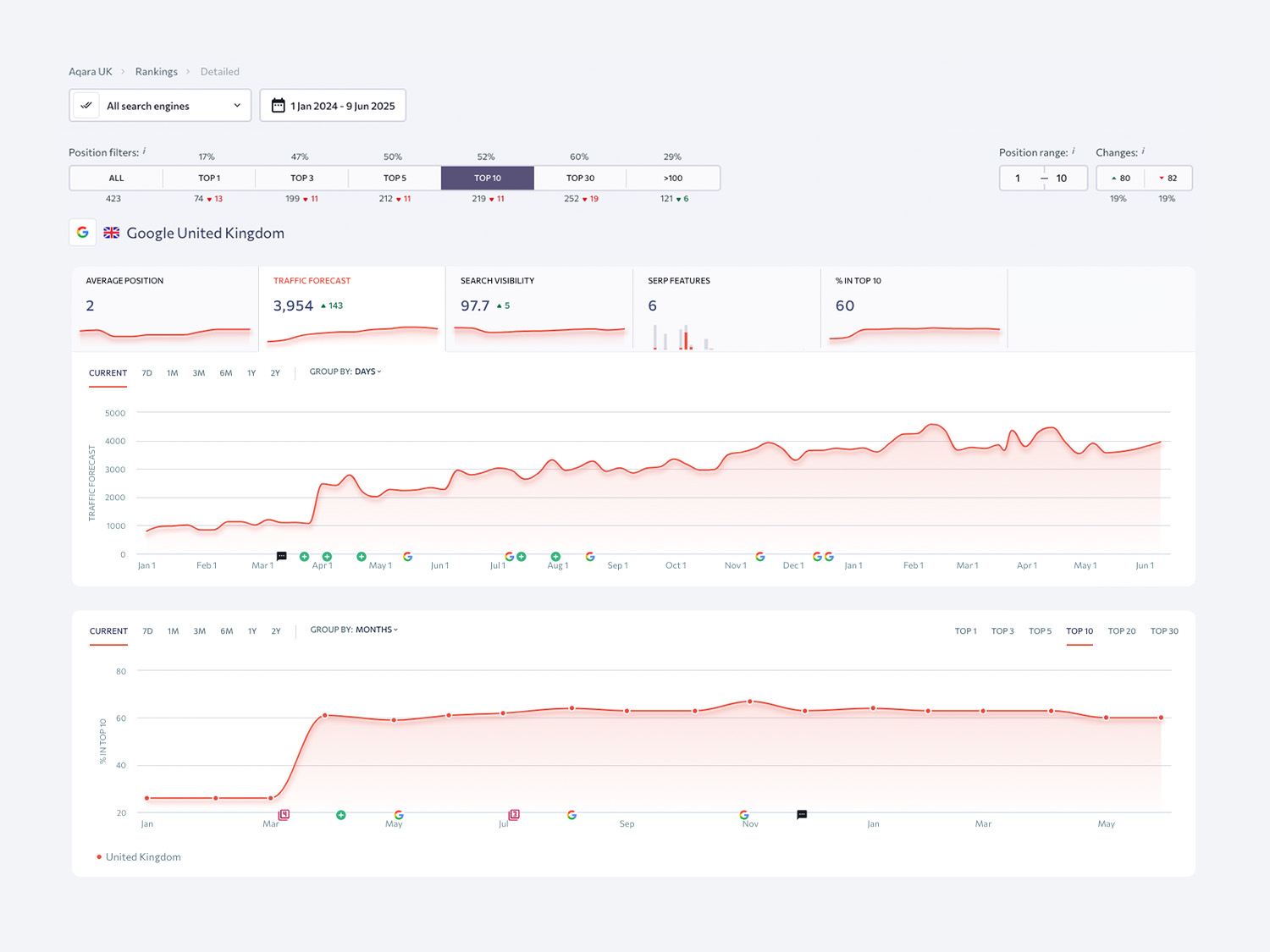
If your website isn’t appearing on Google, or it’s buried several pages deep, you’re not alone. Many businesses invest in a website and expect traffic to arrive automatically, only to realise months later that nobody is finding them online.
The good news is that poor rankings are usually fixable. In most cases, websites struggle because of technical SEO issues, weak content, poor optimisation, or a lack of authority online. Once you understand the problem, you can start making changes that improve visibility and generate more enquiries.
At Angry Apple Media, we regularly work with businesses whose websites look great but fail to rank competitively on Google. Here are the most common reasons your website may not be ranking, and what you can do about it.
1. Your Website Isn’t Properly Optimised for SEO
One of the biggest reasons websites fail to rank is simple: they haven’t been built with search engines in mind.
Google needs to understand what your pages are about. If your website has missing page titles, poorly structured headings, duplicate content, or no keyword targeting, Google struggles to index and rank it correctly.
For example, if you’re a roofing company in Manchester but your homepage only says “Welcome to Our Website”, Google has no strong signal about what service you provide or where you operate.
How to fix it:
- Use clear page titles and meta descriptions
- Include relevant keywords naturally throughout your content
- Structure pages with proper headings (H1, H2, H3)
- Optimise images with descriptive alt text
- Create dedicated pages for individual services
A properly optimised website gives Google confidence about what your business offers and who it should show your website to.
2. Your Website Is Too Slow
Website speed is a ranking factor, and it also affects user behaviour. If your website takes too long to load, visitors leave quickly, increasing bounce rates and hurting your SEO performance.
Many businesses unknowingly use oversized images, bloated themes, unnecessary plugins, or poor-quality hosting, all of which slow down website performance.
How to fix it:
- Compress and optimise images
- Use fast, reliable hosting
- Remove unnecessary plugins or scripts
- Enable caching
- Ensure your website is mobile-friendly
Google prioritises websites that provide a good user experience. Faster websites not only rank better but also convert visitors more effectively.
3. You Don’t Have Enough Quality Content
Google rewards websites that provide useful, relevant, and trustworthy information. If your website only contains a few short pages with minimal detail, it may struggle to compete against businesses publishing regular, informative content.
Content is one of the strongest tools for improving visibility online. Helpful blogs, guides, FAQs, and service pages allow your website to target more keywords and answer customer questions directly.
How to fix it:
Start creating content around topics your audience is actively searching for. For example:
- Common customer questions
- Industry trends
- How-to guides
- Product comparisons
- Local service information
Consistent blogging also helps establish authority within your industry. Businesses that publish useful content regularly often outperform competitors who rely solely on static pages.
4. Your Website Isn’t Mobile-Friendly
More than half of all web traffic now comes from mobile devices. Google also uses mobile-first indexing, meaning it primarily evaluates the mobile version of your website when deciding rankings.
If your website is difficult to navigate on a phone, text is too small, or buttons don’t work properly, your rankings can suffer significantly.
How to fix it:
- Use responsive web design
- Test your website across multiple devices
- Improve mobile page speed
- Simplify navigation
- Ensure forms and buttons work correctly
A modern website should perform seamlessly on desktop, tablet, and mobile.
5. You Have Weak or No Backlinks
Backlinks, links from other websites pointing to yours, remain one of Google’s strongest ranking signals. They act as trust indicators that tell search engines your website is credible and valuable.
If your competitors have strong backlink profiles and your website has very few external links, it becomes difficult to compete in search results.
How to fix it:
Focus on earning high-quality backlinks through:
- Guest blogging
- Local business directories
- PR campaigns
- Shareable content
- Partnerships and collaborations
Avoid buying spammy backlinks, as low-quality links can damage your rankings rather than improve them.
6. Your Website Has Technical SEO Problems
Sometimes rankings suffer because of hidden technical issues that most business owners never notice.
Common technical SEO problems include:
- Broken links
- Duplicate pages
- Missing sitemap files
- Poor URL structure
- Pages blocked from indexing
- Crawl errors
Even a well-designed website can struggle if Google can’t crawl and understand it properly.
How to fix it:
Conduct a technical SEO audit to identify issues affecting performance. This often involves reviewing:
- Site structure
- Indexing settings
- Internal linking
- Redirects
- Core Web Vitals
- Structured data
Technical SEO creates the foundation that allows all other optimisation efforts to work effectively.
7. You’re Expecting Results Too Quickly
SEO is a long-term strategy, not an overnight fix. Many businesses give up too early because they expect immediate rankings after launching a website.
Google rankings build over time through consistent optimisation, content creation, and authority building. Depending on competition levels, meaningful improvements can take several months.
How to fix it:
Focus on consistency rather than shortcuts. A long-term SEO strategy should include:
- Ongoing content creation
- Technical improvements
- Keyword optimisation
- Link building
- Regular performance tracking
Businesses that invest consistently in SEO often see compounding growth over time.
Final Thoughts
If your website isn’t ranking on Google, there’s always a reason, and usually several. The key is identifying the issues holding your website back and implementing a strategy that improves visibility gradually and sustainably.
SEO is no longer just about keywords. Modern search optimisation involves website performance, user experience, content quality, technical health, and online authority working together.
At Angry Apple Media, we help businesses improve their search rankings through tailored SEO strategies, website optimisation, and digital marketing campaigns designed to generate real results. Whether your website needs technical improvements, content support, or a complete SEO overhaul, investing in the right strategy can transform your online visibility and help your business grow.