
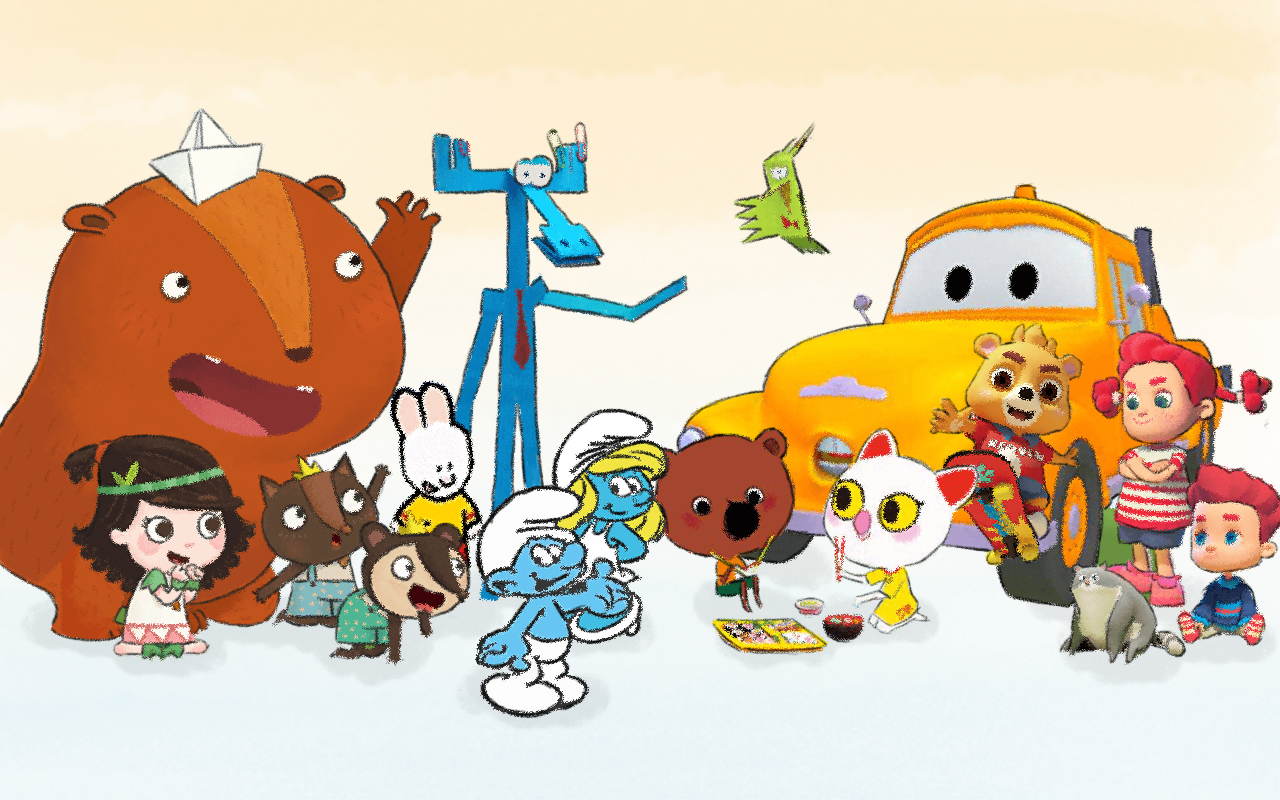
Learning Mandarin can feel like a daunting challenge for children, especially when they are introduced to a completely new set of sounds, tones, and vocabulary. However, one of the most effective and enjoyable ways to help young learners acquire Mandarin naturally is through educational cartoons. Animated content combines visual storytelling, repetition, and engaging characters to create an immersive language-learning experience that feels more like entertainment than study.
For parents looking to support their child’s Chinese language journey, cartoons can be a powerful tool that improves listening comprehension, vocabulary retention, pronunciation, and overall confidence. Platforms such as HiHiLulu have recognised the value of animated learning by offering children access to Chinese cartoons, songs, stories, and interactive activities that encourage natural language acquisition through immersion.
Why Cartoons Are Effective for Mandarin Learning
Children learn languages differently from adults. Rather than memorising grammar rules and vocabulary lists, they absorb language through repeated exposure, context, and meaningful interaction. Educational cartoons provide exactly this type of environment.
When children watch Mandarin cartoons, they hear native speakers using authentic language in everyday situations. Visual cues such as facial expressions, actions, and objects help them understand meaning even when they do not know every word. This mirrors the way children learn their first language, making Mandarin feel more natural and accessible.
The combination of sound, imagery, and storytelling also keeps children engaged for longer periods, increasing the amount of language they are exposed to without feeling overwhelmed.
Improving Listening Comprehension
One of the biggest challenges for Mandarin learners is developing strong listening skills. Mandarin is a tonal language, meaning the same syllable can have different meanings depending on how it is pronounced.
Cartoons expose children to native pronunciation, natural speech patterns, and common sentence structures. As children repeatedly hear words and phrases in different episodes, their brains begin to recognise familiar sounds and patterns.
Unlike traditional classroom exercises, animated content presents language within meaningful contexts. For example, a cartoon character asking for food, greeting a friend, or describing the weather provides visual support that helps children connect spoken Mandarin with real-world situations.
Over time, this repeated exposure improves listening comprehension and helps children understand Mandarin more intuitively.
Boosting Vocabulary Retention
Repetition is essential for language learning, and cartoons naturally provide it. Popular children’s programmes often repeat key words, phrases, and themes throughout episodes.
Young learners may hear words such as colours, numbers, animals, family members, and everyday objects multiple times while watching their favourite characters. Because these words are linked to memorable stories and visual experiences, they are often retained more effectively than vocabulary learned through flashcards alone.
Educational Mandarin cartoons frequently focus on specific themes, allowing children to build vocabulary in logical categories. This helps strengthen word associations and makes it easier for children to recall language when they need it.
Interactive platforms that combine cartoons with games and activities can further reinforce vocabulary by encouraging children to actively use what they have learned. HiHiLulu, for example, combines animated content with interactive learning experiences designed to support vocabulary development and language progression.
Supporting Better Pronunciation
Pronunciation can be one of the most difficult aspects of learning Mandarin, particularly because of its four main tones.
Children are naturally skilled at imitating sounds they hear regularly. Watching Mandarin cartoons allows them to listen to native speakers and copy accurate pronunciation in a low-pressure environment. Songs, rhymes, and repeated phrases are especially useful because they encourage children to speak along with characters and practise tone patterns.
The earlier children are exposed to authentic Mandarin pronunciation, the more likely they are to develop accurate speaking habits and avoid common pronunciation mistakes later on.
Choosing Age-Appropriate Mandarin Cartoons
Not all Mandarin content is equally suitable for every child. Parents should choose cartoons that match their child’s age, language level, and interests.
For younger children, simple stories with clear visuals, repetitive language, and slower speech are often the best choice. Programmes featuring songs, everyday routines, and basic vocabulary help establish strong language foundations.
Older children may benefit from cartoons with more complex storylines, wider vocabulary, and cultural themes that encourage deeper language understanding.
When selecting Mandarin cartoons, parents should consider:
- Age-appropriate themes and content
- Clear and accurate Mandarin pronunciation
- Educational value alongside entertainment
- Engaging characters and storylines
- Opportunities for repetition and interaction
A curated learning platform can make this process much easier by organising content according to language level and educational goals.
Combining Cartoons with Structured Learning Activities
While cartoons are highly effective, they work best when combined with structured language-learning activities.
Parents can maximise learning by discussing episodes with their children after viewing. Asking simple questions in Mandarin, reviewing new vocabulary, or encouraging children to describe their favourite characters can reinforce language comprehension.
Other useful activities include:
- Creating vocabulary lists from favourite episodes
- Practising key phrases together
- Singing Mandarin songs featured in cartoons
- Playing interactive language games
- Reading related Chinese picture books
These activities transform passive viewing into active language practice and help children transfer new vocabulary into everyday use.
Creating a Fun Mandarin Learning Environment
Perhaps the greatest advantage of educational cartoons is that they make language learning enjoyable. When children associate Mandarin with fun stories, engaging characters, and positive experiences, they are more likely to stay motivated and continue learning.
A consistent routine that combines animated content with interactive practice can help children build confidence and develop strong language skills over time. With the right resources and support, Mandarin becomes less of a subject to study and more of a language to experience.
Educational cartoon platforms such as HiHiLulu provide children with immersive Chinese-language content designed to make learning engaging, progressive, and enjoyable. By combining high-quality animation with structured learning opportunities, parents can help their children develop Mandarin skills faster while fostering a genuine love of language learning.