
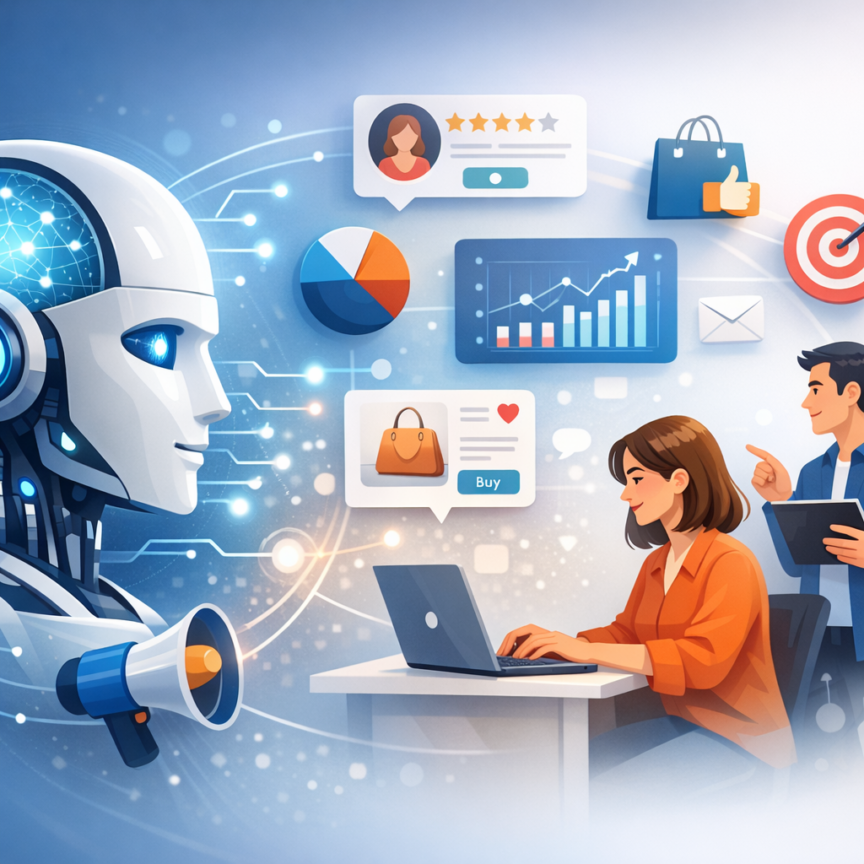
Personalization has moved from a “nice to have” marketing tactic to a core part of how brands attract, convert, and retain customers. For small businesses, marketers, and website owners, the opportunity is clear: people expect relevant experiences, timely messages, and content that reflects their needs. The challenge is doing this in a way that feels helpful rather than intrusive.
Today’s personalization tools can help businesses tailor website content, email campaigns, product recommendations, ads, and customer journeys based on real behavior and preferences. When used well, personalization can make marketing more efficient, improve the customer experience, and help brands stand out in crowded digital spaces.
Why Personalization Matters More Than Ever
Digital audiences are exposed to a constant stream of content, offers, and brand messages. Generic marketing is easier to ignore because it often fails to connect with what someone actually wants at that moment. Personalization helps businesses reduce friction by showing the right message to the right person at the right stage of their journey.
For example, a first-time website visitor may need educational content, while a returning visitor may be ready to compare services or request a quote. A customer who recently purchased may benefit from onboarding tips, while an inactive subscriber may need a reminder of what makes your brand useful.
This shift is not just about using someone’s first name in an email. Modern personalization is about understanding intent, context, and behavior, then using that information to create more relevant experiences across multiple channels.
How Brands Are Using Personalization in Digital Marketing
Website Content That Adapts to Visitor Intent
Your website is often the first place where personalization can make a noticeable difference. Businesses can tailor calls to action, featured content, product categories, or service pages based on how visitors arrive, what they view, or whether they are new or returning users.
For a local service business, this might mean showing location-specific information to visitors from nearby areas. For an ecommerce store, it could mean highlighting related products based on browsing history. For a B2B company, it may involve guiding visitors toward case studies, demos, or educational resources depending on the pages they have already viewed.
The goal is not to overwhelm users with constant changes. The goal is to reduce unnecessary steps and make the next action feel obvious and useful.
Email Campaigns Based on Behavior
Email remains one of the most practical channels for personalized marketing. Instead of sending every subscriber the same message, businesses can segment audiences based on interest, purchase history, engagement, or lifecycle stage.
A new subscriber might receive a welcome sequence introducing your brand and best resources. A customer who purchased a product could receive care instructions, usage tips, or complementary recommendations. A lead who downloaded a guide may receive follow-up content related to that topic.
For small businesses, this does not need to be complicated. Even simple segmentation can improve relevance. Start by separating new leads, active customers, past customers, and inactive subscribers. From there, create messages that match each group’s needs.
Smarter Product and Service Recommendations
Personalized recommendations are especially valuable for ecommerce brands, subscription businesses, content sites, and service providers with multiple offerings. When recommendations are based on customer behavior, they can feel like helpful guidance rather than a sales push.
An online retailer may recommend products that pair well with a recent purchase. A web design agency may suggest maintenance services to clients who recently launched a new site. A software company may recommend training resources based on features a customer has explored.
The key is relevance. Recommendations should solve a real problem, answer a likely question, or support the customer’s next step.
Building a Practical Personalization Strategy
Start With Clear Business Goals
Before adding personalization to your marketing, define what you want to improve. Common goals include increasing email engagement, improving website conversions, reducing cart abandonment, generating higher-quality leads, or improving customer retention.
Clear goals help you avoid adding personalization for its own sake. Every personalized experience should support a measurable business outcome or improve the user experience in a meaningful way.
Map the Customer Journey
Personalization works best when it reflects where people are in the buying process. Take time to map the common stages your customers move through, from awareness to consideration, conversion, onboarding, and repeat engagement.
For each stage, ask what the customer needs. Are they looking for information, reassurance, pricing details, comparisons, proof, support, or next steps? This helps you create content and messaging that feels timely and relevant.
A visitor reading a beginner’s guide may not be ready for a sales call. Someone viewing a pricing page for the third time may need a stronger call to action, a comparison chart, or answers to common objections.
Use First-Party Data Responsibly
First-party data is information your business collects directly through website activity, email engagement, forms, purchases, customer accounts, surveys, and support interactions. This type of data is valuable because it comes from your own audience and reflects real interactions with your brand.
However, responsible use matters. Be transparent about what you collect, give people control over their preferences, and avoid using personal details in ways that feel uncomfortable. Good personalization should feel helpful, not invasive.
Small businesses should focus on data that directly improves the customer experience. You do not need to track everything. Start with useful signals such as pages visited, products viewed, content downloaded, previous purchases, email preferences, and service interests.
Personalization Across Key Marketing Channels
Search and Content Marketing
Personalization can support search and content strategies by helping brands create content for specific audience segments. Instead of writing broad articles for everyone, businesses can develop resources for different customer types, industries, locations, or pain points.
For example, a digital marketing agency might create separate content for local retailers, professional service firms, and ecommerce brands. Each audience may care about different challenges, such as foot traffic, lead generation, or product visibility.
This approach can improve content usefulness while supporting long-tail search visibility. It also gives sales and email teams better resources to share with leads and customers.
Paid Advertising
Personalized ad strategies can help businesses align messaging with audience intent. Remarketing campaigns, audience segmentation, and tailored landing pages allow advertisers to show more relevant offers based on previous interactions.
A visitor who read a comparison guide may respond better to a demo or consultation offer. Someone who abandoned a cart may need a reminder, product benefit, or shipping information. A past customer may be more interested in new arrivals, upgrades, or loyalty-focused messaging.
To keep campaigns effective, make sure the ad, landing page, and follow-up experience are consistent. A personalized ad should not send users to a generic page that ignores the promise of the message.
Customer Retention and Loyalty
Personalization is not only for acquiring new customers. It can be even more valuable after the first sale. Customer retention campaigns can include tailored education, renewal reminders, service recommendations, exclusive content, or personalized support resources.
For service-based businesses, this may mean checking in with clients at important milestones. For ecommerce brands, it may involve replenishment reminders, care tips, or product suggestions. For membership businesses, it may include content based on usage patterns or stated interests.
Retention-focused personalization helps customers get more value from what they already purchased, which can strengthen trust over time.
Common Personalization Mistakes to Avoid
Over-Personalizing the Experience
Too much personalization can feel distracting or uncomfortable. If every page, message, or offer changes constantly, users may lose trust or feel like they are being watched. Keep personalization subtle, useful, and easy to understand.
Focus on improving the journey rather than showing off technology. A helpful product recommendation or relevant email is more effective than a complicated experience that confuses the customer.
Using Poor or Outdated Data
Personalization is only as useful as the data behind it. If your customer records are outdated, incomplete, or inaccurate, your messaging may miss the mark. For example, sending beginner content to a long-time customer can make your brand appear disconnected.
Review your audience segments regularly. Clean up old lists, update customer preferences, and give subscribers ways to tell you what they want to receive.
Ignoring the Human Element
Personalization should support better communication, not replace thoughtful marketing. Brands still need strong messaging, clear positioning, helpful content, and genuine customer understanding.
The most effective strategies combine data with empathy. Look at what customers do, but also consider why they do it. Customer interviews, reviews, support questions, and sales conversations can reveal insights that behavior data alone may not explain.
How Small Businesses Can Get Started
Small businesses do not need an advanced setup to begin personalizing their marketing. Start with one channel and one goal. For example, you might personalize your email welcome sequence for different lead sources, create landing pages for different customer segments, or add related content suggestions to key blog posts.
Next, measure performance and look for practical improvements. Are more visitors clicking your calls to action? Are email subscribers engaging with segmented campaigns? Are customers responding to follow-up recommendations?
Once you find what works, expand gradually. Personalization is most effective when it is built step by step, tested carefully, and aligned with real customer needs.
The Future of Personalized Digital Marketing
Personalization is reshaping digital marketing because customers increasingly expect brands to understand their needs and respect their time. Businesses that deliver relevant, helpful experiences can create stronger relationships and more efficient campaigns.
For marketers and website owners, the best approach is to stay practical. Use the data you already have, focus on meaningful customer moments, and avoid tactics that feel intrusive. When personalization is done well, it makes marketing feel less like interruption and more like useful guidance.
Brands that embrace this mindset will be better positioned to create digital experiences that are timely, trustworthy, and valuable across the entire customer journey.