
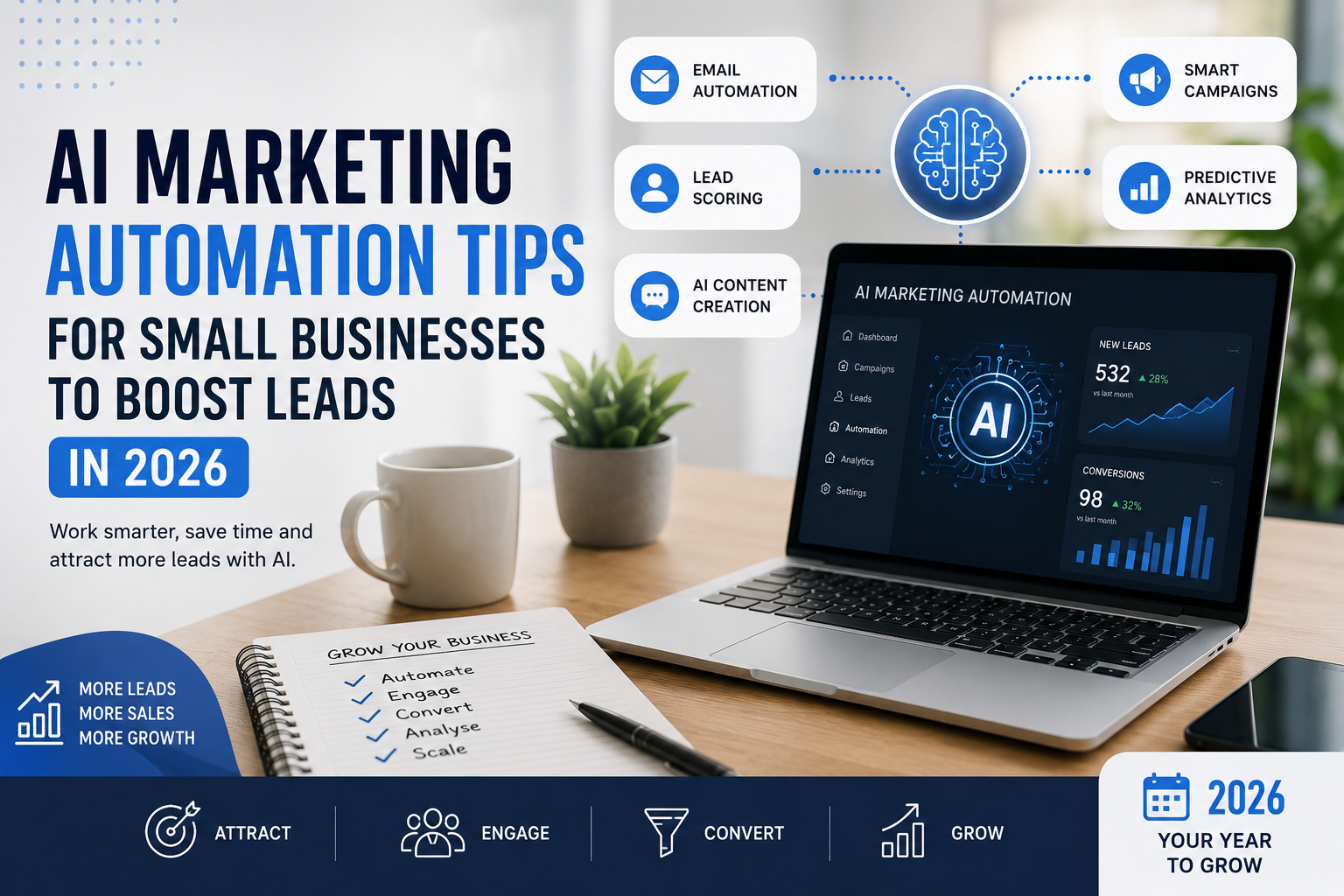
Digital marketing changes quickly, but the fundamentals remain the same: understand your audience, create useful content, make it easy for people to take action, and measure what is working. The challenge for many businesses is not knowing which trends deserve attention and which tactics are just noise. A practical marketing plan should help you reach the right people, earn trust, and turn interest into measurable business results.
Build Your Strategy Around Customer Intent
Before choosing channels or campaign formats, start with customer intent. People interact with your brand at different stages: some are discovering a problem, some are comparing solutions, and others are ready to buy or contact you. Your content and campaigns should match these stages rather than treating every visitor the same.
For example, a person searching for “how to improve email open rates” is likely looking for education, while someone searching for “email marketing agency for ecommerce” may be closer to making a decision. Both searches are valuable, but they need different types of content, calls to action, and follow-up.
Map Content to the Buyer Journey
Create a simple content map with three stages: awareness, consideration, and decision. For awareness, publish educational blog posts, guides, short videos, and social content that answer common questions. For consideration, offer comparisons, checklists, case studies, and product or service explainers. For decision, make sure you have clear landing pages, testimonials, FAQs, and contact options.
This approach helps you avoid creating random content and instead build a system that supports people from first visit to conversion.
Refresh Your Website for Better Conversions
Your website is still the center of your digital marketing activity. Social media posts, ads, email campaigns, and search traffic often lead back to your site. If visitors arrive and cannot quickly understand what you offer or what to do next, your campaigns will struggle.
Start by reviewing your most important pages: homepage, service pages, product pages, pricing or inquiry pages, and key blog posts. Each page should have a clear purpose. Remove unnecessary distractions, improve readability, and make calls to action easy to find.
Improve Page Clarity
Every key page should answer these questions quickly:
What do you offer? Who is it for? Why should someone choose you? What should the visitor do next?
If the answers are buried in long blocks of text or vague messaging, revise the page. Use short paragraphs, descriptive headings, bullet points where helpful, and direct calls to action such as “Book a consultation,” “Request a quote,” “Download the guide,” or “Shop the collection.”
Check the Mobile Experience
Many users will first discover your business on a mobile device. Make sure forms are easy to complete, buttons are large enough to tap, menus are simple, and pages load smoothly. A mobile-friendly site is not just about design; it directly affects whether users stay, read, and convert.
Create Content That Answers Real Questions
Content marketing works best when it is useful, specific, and connected to customer needs. Instead of publishing generic updates, focus on questions your audience is already asking. These questions can come from sales calls, customer support messages, search suggestions, community discussions, and social media comments.
A strong content plan should include both timely and evergreen topics. Timely content allows you to respond to industry changes, seasonal demand, or current conversations. Evergreen content continues to provide value over time because it answers ongoing questions.
Use Practical Formats
Helpful content does not need to be complicated. Some of the most effective formats include how-to guides, comparison articles, checklists, buyer guides, troubleshooting posts, FAQs, and step-by-step tutorials. These formats work because they help users solve a problem or make a decision.
When writing content, avoid focusing only on your company. Instead, explain the issue, provide useful guidance, and naturally show how your product or service fits into the solution when relevant.
Strengthen Your Search Visibility
Search remains an important way for people to find businesses, products, and answers. Good search visibility starts with helpful content, but technical and on-page improvements also matter.
Review your website for basic search optimization. Each important page should have a unique title tag, a clear meta description, descriptive headings, internal links, and content that matches the searcher’s intent. Avoid stuffing keywords into pages. Instead, use natural language and cover the topic thoroughly.
Update Older Content
Refreshing existing content is often more efficient than only creating new posts. Review older blog articles and landing pages to make sure the information is current, examples are still relevant, and links still work. Add missing details, improve formatting, and connect the page to newer related content.
Content updates also give you an opportunity to improve calls to action. If a blog post receives traffic but does not encourage visitors to take another step, add a relevant next action such as reading a related guide, joining an email list, or contacting your team.
Use Email to Build Long-Term Relationships
Email marketing remains valuable because it gives you a direct way to communicate with people who have chosen to hear from you. Unlike social platforms where visibility can change, your email list is an owned audience that you can nurture over time.
To make email more effective, segment your list based on interests, behavior, or customer stage. New subscribers may need educational content, while past customers may respond better to product updates, loyalty messages, or helpful usage tips.
Send Emails With a Clear Purpose
Each email should have one main goal. That goal might be to drive traffic to a new article, encourage event registration, promote a product, request feedback, or educate subscribers about a service. Keep the message focused and make the call to action obvious.
Consistency is more important than volume. Choose a schedule you can maintain and focus on delivering value in every message.
Make Social Media More Strategic
Social media can support awareness, trust, customer engagement, and website traffic, but it works best with a clear plan. Posting simply to stay active often leads to weak results. Instead, define the role each platform plays in your marketing strategy.
For example, one platform may be best for community building, another for short educational content, and another for visual storytelling. Choose platforms based on where your audience spends time and how they prefer to engage.
Balance Content Types
A strong social content mix usually includes educational posts, brand stories, customer-focused content, product or service highlights, behind-the-scenes updates, and direct calls to action. If every post is promotional, audiences may tune out. If no posts invite action, social engagement may not support business goals.
Track which formats lead to saves, shares, comments, clicks, and inquiries. Use those insights to improve future posts rather than relying on assumptions.
Measure What Matters
Digital marketing becomes more effective when you measure the right things. Vanity metrics can be useful for spotting interest, but they do not tell the full story. Focus on metrics connected to your goals, such as qualified leads, sales inquiries, conversion rates, email signups, repeat visits, and revenue-related actions.
Set up tracking for important website actions, including form submissions, phone clicks, downloads, bookings, and purchases where applicable. Review performance regularly so you can identify what is improving and what needs adjustment.
Turn Reports Into Decisions
A report is only useful if it leads to action. If a landing page gets traffic but few conversions, test the headline, offer, form length, or call to action. If an email has strong clicks, consider creating more content around that topic. If a campaign brings traffic that does not engage, revisit your audience targeting or message.
Small, consistent improvements often create better results than occasional major changes.
Create a Simple Monthly Marketing Checklist
To keep your strategy organized, use a monthly checklist. Review website performance, update one or two key pages, publish new content, refresh older content, send email campaigns, evaluate social media results, and check lead quality. This routine keeps your marketing active without becoming overwhelming.
Also schedule time to review customer feedback. The language customers use can improve your ad copy, website messaging, blog topics, and email subject lines. Your audience often tells you exactly what they care about; your job is to listen and respond with useful marketing.
Final Thoughts
A successful digital marketing strategy does not need to chase every new tactic. It needs clear goals, useful content, strong website experiences, consistent communication, and regular measurement. By focusing on customer intent and improving each part of your marketing system, you can build campaigns that attract the right audience and support meaningful business growth.